
How to Tell Ethical Fashion From Fast Fashion

Last Updated: October 25, 2026
Quick Summary
Ethical fashion is built around fair wages, safe working conditions, and supply chains you can actually trace, while fast fashion moves trends from runway to rack in weeks using low-cost labor and synthetic materials. The core difference comes down to intent and structure, not looks.
- Fast fashion is reported to account for 10% of global CO2 emissions, per Earth.org.
- Ethical fashion addresses how people are treated; sustainable fashion addresses environmental impact.
- A vague eco badge with no named issuer is marketing, not verification.
- Divide purchase price by expected wears: a $120.00 jacket worn twice weekly for two years costs near $1.15 per wear.
- Before buying, ask whether you will wear it at least 30 times.
Table of Contents
- The Real Difference Between Ethical Fashion and Fast Fashion
- Ethical Fashion vs Sustainable Fashion: They Are Not the Same Thing
- The Fast Fashion Environmental Impact in Plain Numbers
- Working Conditions: What Fast Fashion Hides and Ethical Labels Show
- How to Identify Ethical Fashion Brands Without Taking the Label at Face Value
- Fast Fashion Alternatives That Fit a Real Budget and a Real Schedule
- Build Your Ethical Wardrobe With Pink Martini Collection
- Frequently Asked Questions
The Real Difference Between Ethical Fashion and Fast Fashion
Fast fashion is reported to account for 10% of global CO2 emissions, according to Earth.org's environmental impact overview, and that single figure explains why so many shoppers are rethinking their wardrobes. How do you tell ethical fashion from fast fashion when both look good on a screen? The core difference comes down to intent and structure. Fast fashion is built to move trends from runway to rack in weeks, using low-cost labor and synthetic materials. Ethical fashion is built around fair wages, safe working conditions, and supply chains you can actually trace. Below, we break down what separates the two, where labels mislead, and how to build a wardrobe that lasts without blowing your budget.
Ethical Fashion vs Sustainable Fashion: They Are Not the Same Thing
Ethical fashion and sustainable fashion overlap, but they answer different questions. Ethical fashion is about how people are treated: fair wages, safe factories, reasonable working hours, and respect for labor rights. Sustainable fashion is about environmental impact: water use, carbon emissions, textile waste, and biodegradability. A brand can be one without the other.
People First, Planet First, or Both
A garment made from organic cotton in a factory paying below-minimum wages is sustainable on paper and unethical in practice. A fair-trade workshop dyeing fabric with harsh chemicals treats its workers well and pollutes their water supply. The strongest brands address both. When you shop, ask two separate questions: who made this, and what is it made of? Most marketing conflates the two deliberately, because a single "eco" badge is easier to sell than a full accounting.
The Fast Fashion Environmental Impact in Plain Numbers
The fast fashion environmental impact is easier to grasp with concrete figures. UniformMarket's industry statistics report a $150.82 billion fast-fashion industry in 2026, growing 10.74% from 2024 and projected to reach $291.1 billion by 2032. More production means more water, more synthetic fibers, and more textile waste, but the useful question is where in the garment lifecycle those costs actually land, because that is where your choices have leverage.
Water, Chemicals, and What Happens After You Donate
Clothing production is water-intensive at two stages: growing natural fibers and wet-processing (dyeing, washing, finishing). Dyeing introduces chemicals into waterways near manufacturing hubs, and the research on sustainable supply chain management in fast fashion documents how weakly most brands manage these stages. Synthetic materials like polyester shed microplastics with every wash and do not biodegrade, so a cheap synthetic tee keeps generating impact long after the purchase.
Then comes disposal. Donated garments that don't sell often end up in landfill or shipped abroad, extending the environmental footprint far past your closet. The practical countermeasure is durable garment quality: a piece worn 100 times beats five worn 20 times each, and the environmental cost per wear falls with every additional wearing.
The Trade-Offs Competitors Skip
Environmental claims are where the comparison gets murky, and most roundups gloss over three limits:
- Certifications cover processes, not outcomes. A certification can verify that a factory meets a water-treatment standard without proving the garment is lower-impact overall. Ask what the certification actually covers before treating it as a verdict.
- Material swaps move impact rather than erase it. Organic cotton reduces pesticide use but can be more water-intensive; recycled polyester diverts waste but still sheds microplastics. There is no zero-impact fiber.
- Durability beats composition. A conventional cotton garment worn weekly for years usually outperforms a “sustainable” piece worn twice. Lifespan is the variable most within your control.
What You Can Actually Control
You cannot audit a factory from a product page, but you can shift the three variables that matter most: how often you wear a piece, how well you care for it, and whether you buy it at all. Wash less often, air-dry, repair before replacing, and favor construction that survives regular washing. Those habits reduce water, energy, and waste regardless of which brand made the garment, and they cost nothing.
Working Conditions: What Fast Fashion Hides and Ethical Labels Show
Fast fashion hides labor conditions behind layers of subcontracting. A brand may contract a factory that outsources to smaller workshops, making traceability nearly impossible. Ethical labels show the chain: who sewed the garment, in what facility, under what safety standards, and at what wage.
Watch out: a "made with care" tagline means nothing without a named facility or audit. Look for fair wages language, reasonable working hours commitments, and third-party verification of workplace safety. Worker health protections and labor rights are where the gap between the two models is widest, and where your money has the most direct social impact.
How to Identify Ethical Fashion Brands Without Taking the Label at Face Value
Knowing how to identify ethical fashion brands comes down to verification, not vocabulary. Any brand can print "conscious" on a hangtag. Fewer can name their factories, publish audit results, or explain what their certification actually covers.
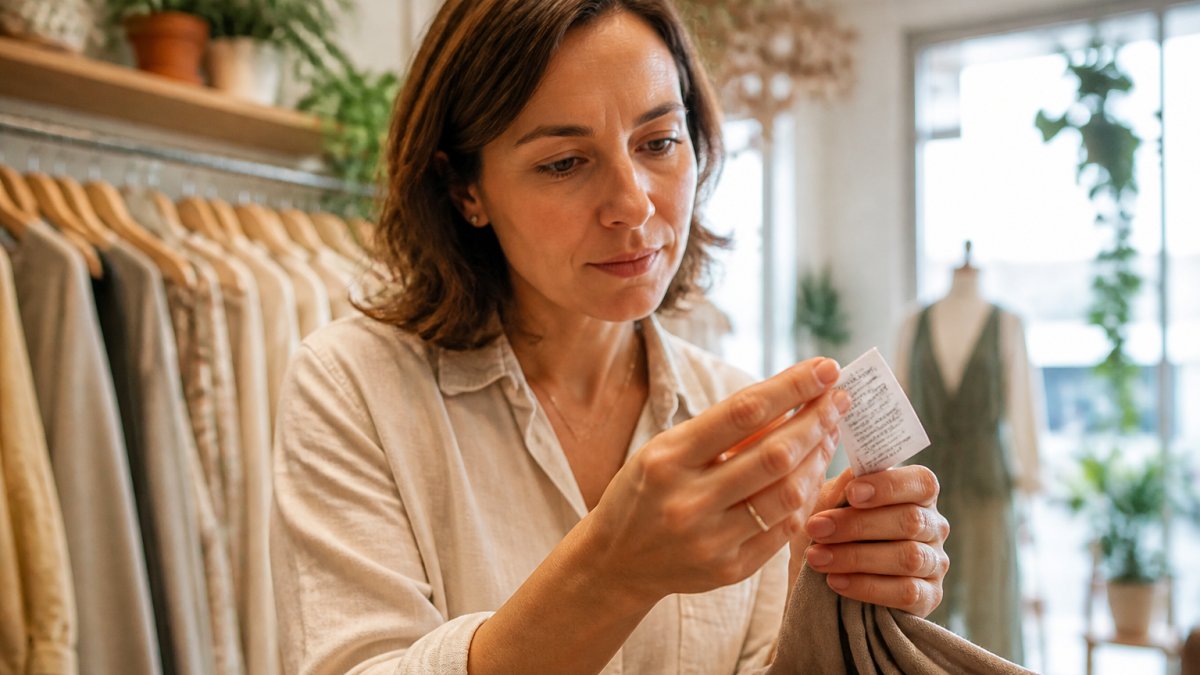
Use this checklist before you buy:
- Does the brand name its supplier factories or regions?
- Is there a certification with a verifiable issuer, not a self-made badge?
- Are materials specified precisely: fiber type, percentage, and origin?
- Does the care label suggest durability or planned obsolescence?
- Does the brand publish anything about wages or worker programs?
- Are product photos consistent with the fabric described?
For a deeper walkthrough of what to look for, our guide to the best sustainable clothing for women breaks down fabric and construction checks in detail, and our roundup of high quality boho clothing brands gives you a benchmark for judging quality claims.
Fast Fashion Alternatives That Fit a Real Budget and a Real Schedule
The most practical fast fashion alternatives are not about spending more. They are about buying fewer, better pieces, caring for them properly, and using channels other than new retail. Cost per wear is the metric that matters: divide the purchase price by the number of times you expect to wear it. A $120.00 jacket worn twice a week for two years lands near $1.15 per wear; a $40.00 jacket worn five times costs $8.00 per wear. The cheaper garment is the expensive one.
| Approach | What It Costs You | Best For | Watch-Out |
|---|---|---|---|
| Buy fewer, durable pieces | Higher upfront, lower over time | Everyday wardrobe staples | Requires knowing your real size and fit |
| Secondhand and consignment | Low to moderate | Trend-led pieces | Stock varies; returns are limited |
| Clothing swaps | Free | Refreshing a wardrobe | Sizes and styles are hit-or-miss |
| Repair and tailoring | Small fees | Extending garment lifespan | Needs a local tailor or basic skills |
| Rental | Per-event fee | Occasion wear | Fit risk and cleaning fees |
| Ethically made new pieces | Moderate to higher | Workwear and evening wear | Premium pricing; verify claims |
How Each Alternative Actually Works
- Secondhand and consignment: Browse in person when you can, because fit is the main risk. Check seams, underarms, and hems for wear, and confirm the return policy before buying online.
- Clothing swaps: Organize one with friends or a local community group. Bring clean, wearable pieces and set a simple rule, one item in, one item out, so swaps refresh a wardrobe without adding volume.
- Repair and tailoring: A hem, a button, or a zip repair is usually a small fee and extends a garment's life by months or years. Learn two or three basic repairs and you remove most of the reason people replace clothes.
- Rental: Best for occasion wear you will wear once or twice. Factor in cleaning fees and fit risk before comparing it to buying.
Accessibility and Honest Limits
Ethical shopping is not equally accessible to everyone, and pretending otherwise makes the advice useless. Budget, size availability, location, and time all constrain the options above. Secondhand stock rarely covers every size; rental and tailoring may not exist in smaller communities; premium ethical brands often stop at a limited size range. The realistic move is to pick the one or two alternatives that fit your constraints and do them consistently, rather than aiming for a perfect wardrobe you cannot sustain.
If your schedule is tight, prioritize pieces that transition from office to evening and tolerate regular washing. Our collection of durable boho clothing for busy moms covers exactly that use case, and if you want to browse actual options, you can shop ethically made boho dresses directly.
Build Your Ethical Wardrobe With Pink Martini Collection
Building an ethical wardrobe is a series of small, deliberate choices: check the label, ask where it was made, and favor pieces that will survive a hundred washes. Pink Martini Collection designs feminine, boho-chic clothing for exactly this kind of wardrobe, with sustainable pieces that move from the office to an evening out without a costume change. Our customers consistently mention quality and value, with over 995 customer reviews. Interest-free installment payment options make building a considered wardrobe easier on a monthly budget. Start with one piece you will wear weekly, and add from there.
Frequently Asked Questions
What is the difference between ethical fashion and fast fashion?
Fast fashion is built on speed and volume: new styles drop weekly, garments are made cheaply, and trend cycles push constant replacement. Ethical fashion slows that down by prioritizing fair wages, safe working conditions, and supply-chain transparency. The core question shifts from what the garment costs to who made it and under what conditions. A $20 CAD top and a $120 CAD top can look identical, but the ethical version usually reflects wages, materials, and production standards that the cheap version does not.
Is ethical fashion the same as sustainable fashion?
No, and confusing the two makes brands easier to misjudge. Ethical fashion focuses on people: fair wages, reasonable working hours, workplace safety, and labor rights across the supply chain. Sustainable fashion focuses on the planet: water consumption, carbon emissions, synthetic materials, and textile waste. A brand can be ethical without being sustainable, or claim sustainability while sourcing from factories with poor conditions. Look for evidence of both, and treat any brand that only addresses one side as incomplete.
How can you tell if a clothing brand is ethical?
Start with traceability. A credible brand can name its factories or suppliers, publish a code of conduct, and explain what it audits. Check for third-party certifications rather than self-made badges, and read the care and fiber labels to see what the garment is actually made of. Vague claims like eco-friendly or conscious without specifics are a warning sign. If a brand cannot answer where a piece was made, that silence is itself information about how much it controls its supply chain.
Is ethical fashion more expensive than fast fashion?
Upfront, usually yes, because fair wages and better materials cost more to produce. The better comparison is cost per wear. A well-made piece that survives years of washing spreads its price across far more wears than a cheap top that pills after three washes. That is why durability matters as much as the price tag. Many shoppers also mix approaches: buy fewer new pieces, choose secondhand or swap with friends, and repair what they already own instead of replacing it each season.
The hardest part of ethical shopping is not finding information, it is finding clothing you will actually wear often enough to justify it. Pink Martini Collection focuses on versatile, comfortable designs made to last, with sustainable pieces, inclusive sizing, and interest-free installment options. Get started with Pink Martini Collection and build a wardrobe that works as hard as you do.


Comments